MERIDIAN 400 · 35MM
3
Academy leader — start mark
00ASAFETY FILM
A quarterly from Meridian Film Lab, Portland. Read it the way it was shot — left to right, one frame at a time.
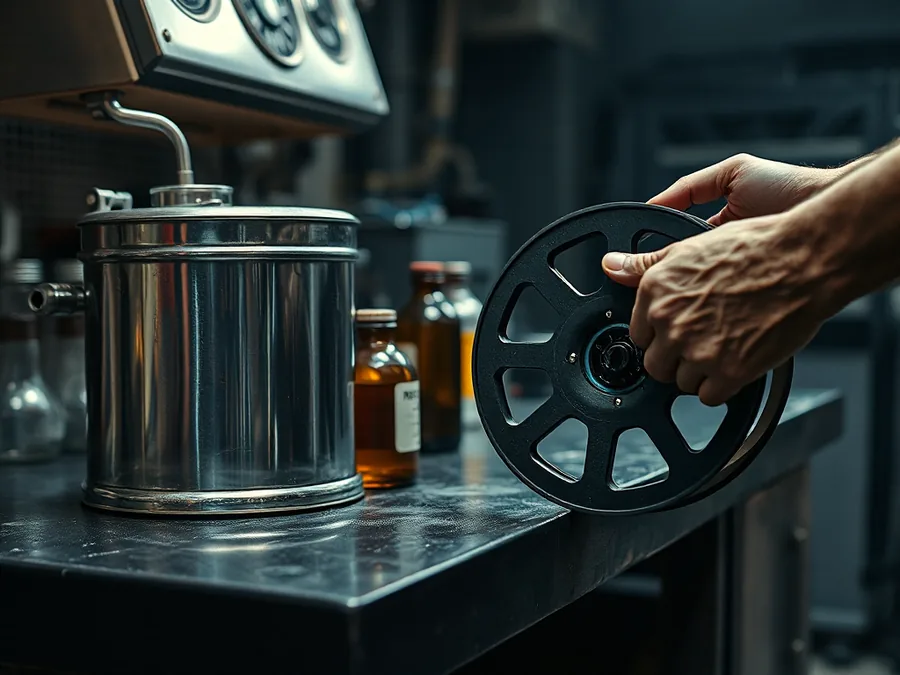
Cover story
Nine minutes at 20°C, agitation every thirty seconds. Marlena Roche has run the same tank since 1989 and refuses to buy a timer.
Opening frame
“Every silver crystal that survived development is a place where light actually landed. Nothing digital keeps that receipt.”
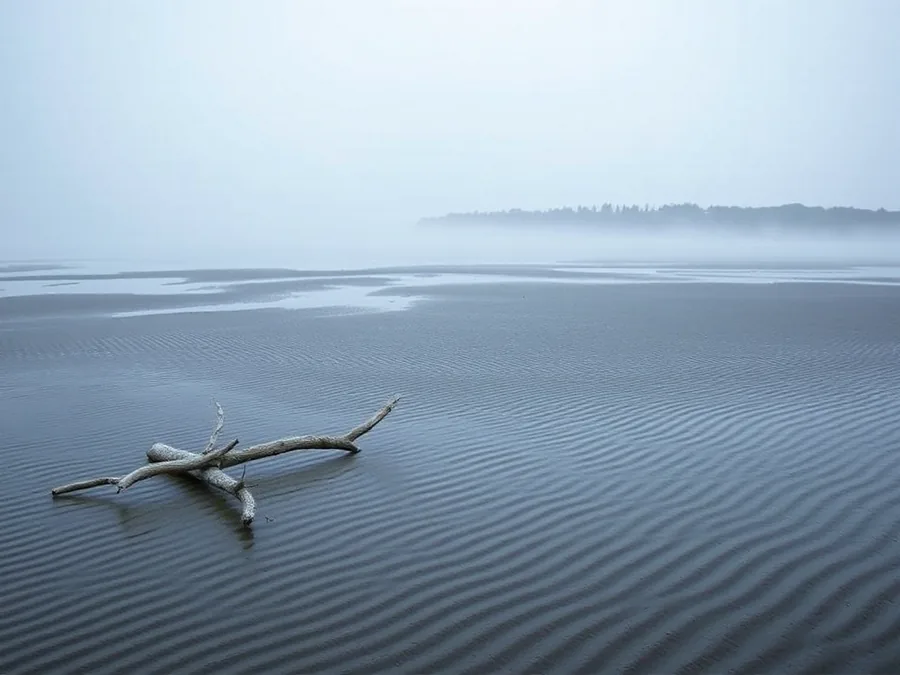
Field notes
Shooting the Columbia estuary in February. Batteries died; the mechanical body did not. A three-day log of temperatures and reciprocity failure.
Datasheet
We print our numbers so you can argue with them.
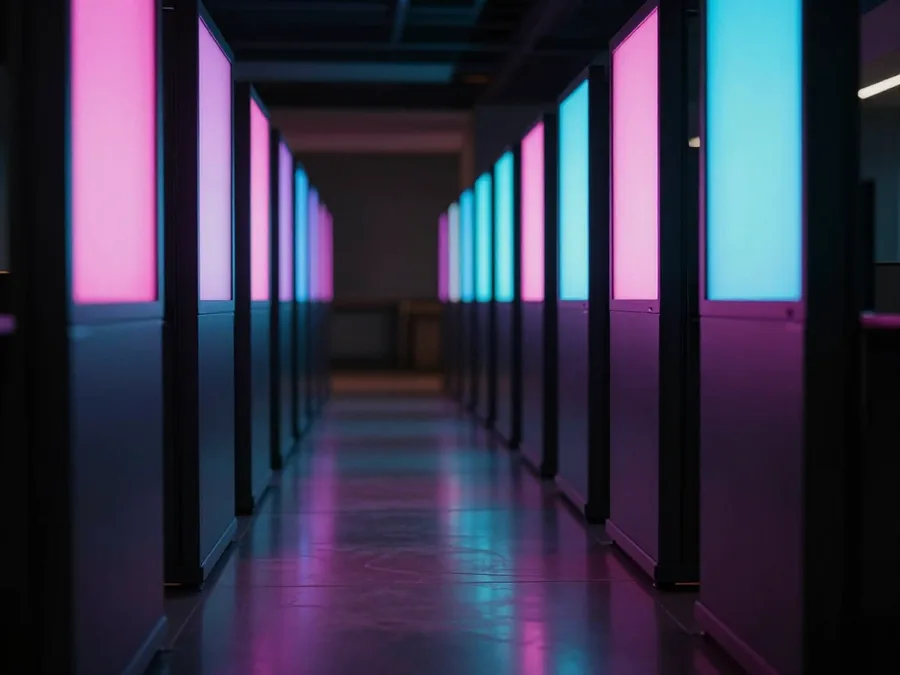
Portfolio
Ada Kwon photographs the closing arcades of Southeast Powell at midnight, wide open, hand-held, unapologetically soft.
Interview · Marlena Roche
Forty-one years, roughly 190,000 rolls, one flood, two fires, and exactly zero digital scanners on the premises until 2016.
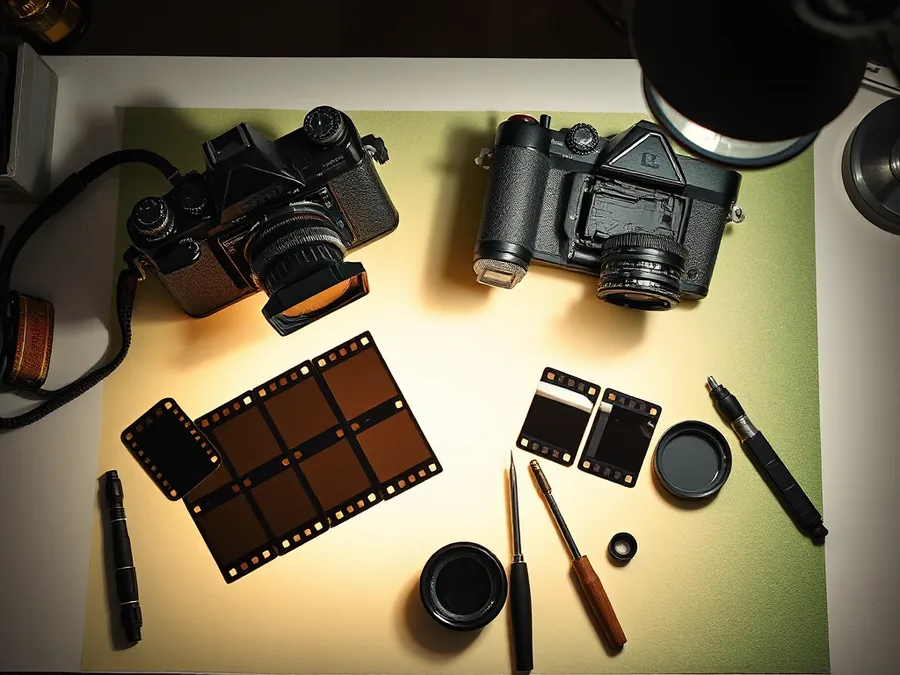
Equipment
A working list of cameras still serviceable in the Pacific Northwest, with the shops that will touch them and what a CLA actually costs.
Essay
Thirty-six exposures forces a decision. The failures — light leaks, half-wound rolls, thumbs — are the only honest part of the archive.
Back page
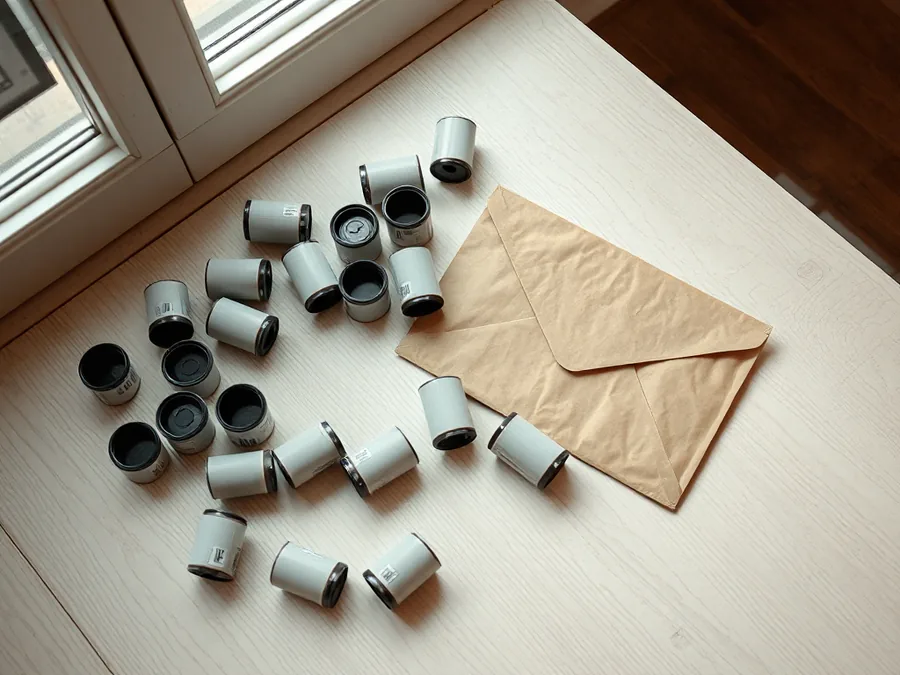
Four issues, four rolls of Meridian 400, one prepaid develop-and-scan envelope. $86 a year, postage included.